How to Get So Good at Valorant It Feels Like Smurfing by Fixing Reactions Instead of Grinding Aim
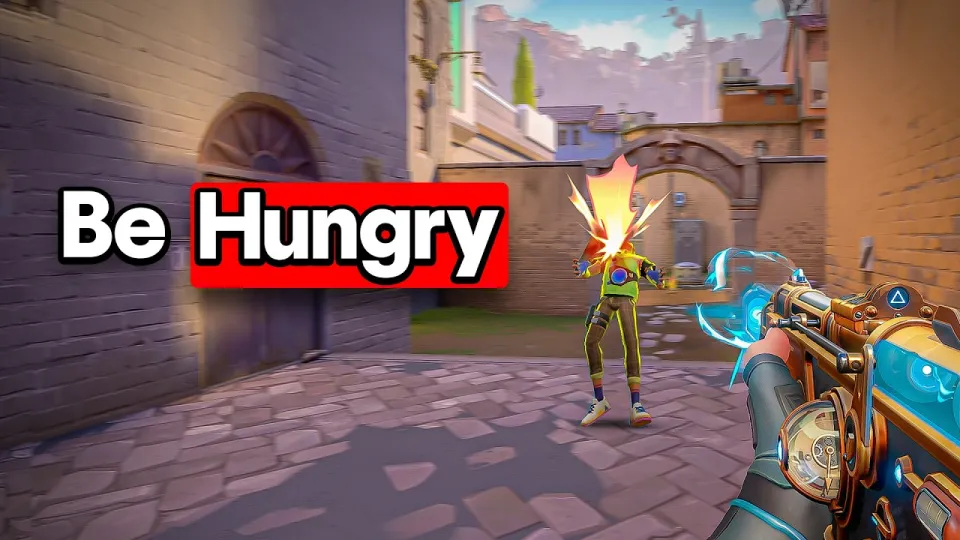
Video: How to Get So Good at Valorant it Feels Like Smurfing
Need articles like this for your video? They help promote it on YouTube and Google — order them in the Telegram bot @sat_sit_bot. Articles with your video embedded are written and posted by the bot itself — on popular topical sites (no ads). Your first 50 articles are free.
Getting so good at Valorant that your lobbies feel like smurfing comes down to one shift: stop playing your plan and start reacting to the enemy. Aim matters, but the players who look like smurfs win duels because they arrive at unexpected timings, from unexpected angles, with movement that makes them hard to hit. Konpeki's breakdown of this idea is the backbone of the coaching behind the Immortal Roadmap Program, which promises five divisions in ten weeks.
Why Valorant Smurfs Look Unstoppable When Their Aim Is Average
A smurf is not a player with magical crosshair placement; a smurf is a player whose decisions are one step ahead of the lobby. When a Diamond player watches an Immortal or Radiant smurf, the visible difference is usually aim, but the real difference is information and tempo. The smurf knows where you will be, when you will peek, and which angle you are not clearing, so every duel starts with an advantage before a single bullet is fired.
That advantage compounds across a round. Win the first duel with a timing nobody expects, and the enemy team spends the rest of the round rotating late, double-peeking scared, and giving up space for free. By the time the score is 8-2, the lobby is convinced the smurf is mechanically gifted, when in reality the smurf is simply playing a different game: reacting to what the enemy shows instead of executing a script.
The Reaction Principle Behind Feeling Like a Smurf in Valorant
Reactive play means your round plan is a set of options, not a sequence. You enter a site with a default idea, then adjust the moment the enemy reveals something: a smoke that lands early, a Jett dashing into a weird spot, a Sentinel holding an off-angle you did not expect. The adjustment is the skill.
A practical way to build this:
- Before the round, name two win conditions, not one — for example, take A main control, or bait a rotate and hit B.
- On first contact, ask what the enemy just told you: how many are here, who used util, who is missing.
- Commit to the option that punishes the information, even if it is not the plan you called in the buy phase.
- After the round, note one moment where you reacted and one where you auto-piloted.
Players stuck in Platinum and Diamond usually lose because they keep executing a plan that the enemy already read. Reactive players are unpredictable, and unpredictability is the single most smurf-like quality in Valorant.
Aim Is Necessary but It Is the Smallest Part of the Gap
Aim training is not wasted, but it is the most over-invested skill in Valorant. Most players in Gold through Diamond already have enough raw mechanics to win their lobbies; what they lack is the ability to apply that mechanics under pressure, from good positions, at good timings. Ten minutes of focused deathmatch where you track one specific habit beats an hour of mindless flicking.
Better uses of practice time:
- Counter-strafe drills in the Range: move, stop, fire one tap, move again, so stopping becomes automatic.
- Peeker's advantage practice: hold wide angles less, swing tighter angles more, and learn which side of a corner gives you the first frame.
- Crosshair placement on common off-angles, not just the default pre-aim everyone expects.
- One deathmatch per session with a single rule, such as never repeeking the same angle twice.
Movement is the invisible multiplier. A player who stops instantly and peeks correctly wins duels against a mechanically better player who drifts while shooting. That is why low-ranked players who fix movement often jump two divisions without touching an aim trainer.
What Actually Separates Ranks in Valorant
The gap between Diamond and Immortal is rarely aim; it is consistency and economy discipline. Smurfs punish every mistake because they do not make the small ones: they save when the round is lost, they buy with the team, they do not force a rifle into a half-buy, and they never take a 1v3 they cannot win.
Habits that close the gap fastest:
- Track your economy and your team's economy before every buy phase.
- Play for trades — never enter alone unless the round demands it.
- Take map control early instead of defaulting to the same site every round.
- Review one lost round per game and identify the decision, not the aim, that lost it.
This is also why smurfing accusations are so common in Valorant: a player who suddenly stops making these mistakes looks like a different rank entirely, even though the mechanics barely changed.
How to Practice So Improvement Shows Up in Ranked
Practice only counts if it transfers. A drill done in the Range with zero pressure does not survive a ranked duel, so the goal is to rehearse decisions under mild stress, then escalate.
A simple weekly structure:
- Warm up with 10 minutes of movement and counter-strafe work.
- Play two deathmatches with one rule each, focused on peeking or holding.
- Play ranked with a single focus per session — for example, only off-angles, or only reacting to first contact.
- End each session by writing down one repeatable mistake.
Players who improve fastest are not the ones who grind the most hours; they are the ones who change one habit at a time and let the rank follow. That is the philosophy behind Konpeki's coaching content and the Immortal Roadmap structure.
Common Questions From Players Trying to Climb in Valorant
One recurring question is whether you have to release movement keys between shots during side-to-side Range drills. The short answer is yes: the point of the drill is to build a clean stop before each shot, so you should let go of the movement key, fire, then move again. Firing while sliding sideways trains a habit that gets you killed in real duels.
Another common concern is hardware and platform. Console players ask whether the same coaching applies, and it largely does: reaction, positioning and economy are platform-independent, while aim mechanics need separate controller-specific work. Age is rarely a blocker either; younger players often have faster raw reactions but need more discipline, and older players usually compensate with better decision-making.
Finally, many players ask about teammates who seem to play like bots. The honest answer is that you cannot fix them, but you can reduce how much they cost you: give clear, short calls, play around their position instead of expecting them to play around yours, and take the duels that let you carry rather than the ones that depend on them.
Useful Links
- Immortal Roadmap Program registration and free call: https://roadmap.gg/v/lUfrMRb74SE
- Free coaching resources and office hours on Discord: https://www.discord.gg/UnRETVmRpV
- Twitch: https://www.twitch.tv/konpekichan
- Twitter: https://twitter.com/coachpeki
- TikTok: https://www.tiktok.com/@coachpeki
The Smurf Mindset Is a Decision Habit, Not a Talent
Feeling like a smurf in Valorant is not about having Radiant aim; it is about reacting to the enemy, staying unpredictable, and refusing to repeat the small mistakes that lose rounds. Fix your movement, play for information and trades, and practice one habit at a time instead of grinding aimlessly. Konpeki's breakdown makes the case that this decision layer is what actually separates ranks, and it is the same logic the Immortal Roadmap Program is built around. If you want a structured path, book a free call through the Immortal Roadmap Program and see whether it fits how you play.
Key takeaways
- Smurfing in Valorant looks like aim, but it is mostly reaction speed, off-angles and unpredictability.
- Konpeki's core message: react to the enemy instead of running a fixed plan every round.
- Aim trainers build mechanics but not the decision layer that separates Diamond from Immortal.
- Movement discipline (counter-strafing, peeker's advantage) makes duels feel one-sided.
- The Immortal Roadmap Program advertises 5 divisions in 10 weeks via roadmap.gg/v/lUfrMRb74SE.
Questions & answers
Do I need to release movement keys between shots in the Range drill?
Yes. The purpose of side-to-side drills is to train a clean stop before each shot, so you should let go of the movement key, fire one tap, then move again. Firing while still sliding sideways builds a habit that gets punished in real duels, where stopping instantly is what makes your shots land.
Is aim training useless if reactions and decisions matter more?
Aim training is still useful, but it is the smallest part of the gap between most ranks. Players in Gold through Diamond usually have enough raw mechanics already, so a short focused session plus movement and decision practice transfers to ranked better than hours of mindless flicking.
Can console players improve with the same Valorant advice?
Most of it applies directly, because reaction speed, positioning, economy and unpredictability are not platform-specific. Controller aim needs its own practice routine, but the decision layer that makes a player look like a smurf works the same way on PS5 or Xbox.
What should I do when my teammates keep making mistakes?
You cannot fix random teammates, but you can limit the damage they cause. Give short clear calls, play around their positions instead of expecting them to follow yours, and take the duels that let you carry rather than the ones that depend on them.
Source: How to Get So Good at Valorant it Feels Like Smurfing · Markdown version